urban planning · The NOW Institute

The Foundation

Design, planning, and research are the foundation for long-term recovery.

01The Problem

Post-disaster recovery typically prioritizes resident triage and structural resilience, sidelining updated urban planning and cultural heritage — two critical drivers of long-term economic recovery.

02The Proposal

For Oku-Noto, the NOW Institute proposes interlacing spatial planning — earthquake, fire, flood, and typhoon — with the region's cultural and economic engines: Wajima-nuri, Kiriko festivals, agriculture, seafood, Wagyu, and forestry.

03The Central Question

How can these engines be leveraged, and how can planning strategies situate facilities that serve, promote, and strengthen them?

three scales of design ·

01

Regional Strategy

Ishikawa Prefecture's capacity to support Oku-Noto's key industries

02

Urban Planning

Disaster-resistant master-planning for Wajima and Suzu, locating cultural and programmatic engines

03

Architectural Speculations

Design possibilities supporting Wajima-nuri, Kiriko Festival, forestry, seafood, agriculture, and Wagyu culture

3 challenges ·

The Noto Peninsula has faced major delays restoring infrastructure after the 2024 earthquake and subsequent flooding. Roads remain blocked by debris and landslides, limiting access for repair crews. Water supply stayed disrupted for months — around 19,000 households still lacked running water two months post-quake. Demolition also lagged: by June 2024, only about 12% of publicly funded demolition applications had begun. These delays slowed recovery and heightened risks for isolated, aging communities.

Housing recovery on the peninsula is proceeding slowly, leaving many residents in limbo. A survey found over 70% of evacuees worried about their future housing. Temporary housing and minashi rental initiatives — where local governments rent existing housing for evacuees — have helped, but permanent reconstruction remains months or years away. This prolonged disruption is especially hard on a region already facing demographic decline and an aging population.

The region's core industries — agriculture, fishing, and tourism — have been hit hard, and over 60% of residents in the hardest-hit municipalities feel recovery has barely progressed. Declining tourism, disrupted crafts like lacquerware, and faster-than-expected population outflow are straining the local economy further. With fewer young people and jobs remaining, recovery will require not just rebuilding infrastructure and homes, but revitalizing livelihoods and reversing long-term population decline.

Strategies ·

01

Urban Planning

Future planning should prioritize resilience — integrating disaster preparedness, sustainable infrastructure, and revitalization strategies for aging, declining populations.

02

Regional Attributes

Towns and villages preserve a strong sense of tradition, which is reflected in local festivals and long-standing craft practices.

03

Noto Peninsula Resources

The Noto Peninsula's fertile farmland and diverse coastline support fishing, aquaculture, and tourism, offering a strong foundation for sustainable recovery.

Ishikawa Prefecture ·

Four Regional Strategies for Ishikawa

石川の4つの地域戦略

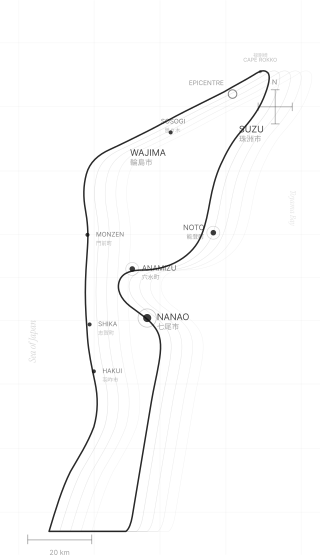
Map of the Noto Peninsula
1Kanazawa–Wajima

Kanazawa as an entry point for Oku-Noto. For efficient connections, non-stop express bus services or the reopening of the rail network are necessary.

2Shin-Wajima

Becomes a main hub. Leveraging Wajima's culture and heritage to establish a tourist-centric and disaster-recovery infrastructure.

3Wajima & Suzu

Anchoring Wajima and Suzu. Establishing the two towns as cultural and operational anchors for the Oku-Noto region.

4Noto Necklace

Tourist destinations connected. Curate and connect a series of regional and local destinations.

post-disaster urban strategies ·

Urban Strategies for Wajima

輪島のための都市戦略

River flows past a city with cherry blossoms
01

Flood Control

Develop upstream to mitigate flooding from the mountains and create urban farms as sponge parks. Additionally, the creation of a diversionary pond 'network' will support recreational floating villages and resorts.

Ruined building by a river with people walking
02

Earthquake & Fire Response

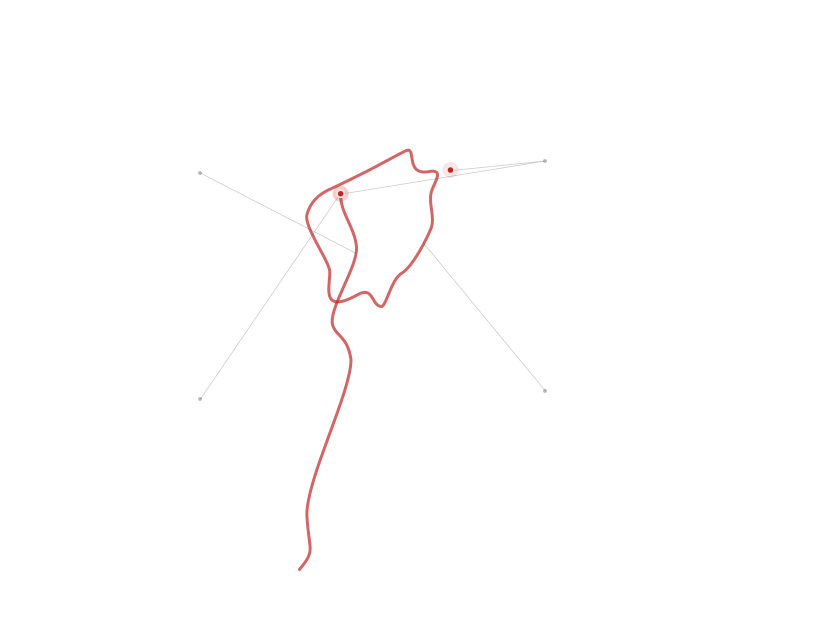
The plan overlays a 500m firebreak grid onto inner and outer evacuation rings, anchored north-east-south-west by four community/cultural programs that double as emergency shelters.

Woman prepares traditional tea in a serene setting
03

Cultural Route

Oku-Noto's cultural engines — Wajima-nuri, woodworking, Kiriko festivals, and culinary treasures like seafood and Wagyu beef — anchor a proposed cultural route. Starting at the new Wajima Train Station, it branches outward to maximize exposure to local rituals and artifacts.

Case Study ·

Suzu: Disaster Response Plan

The epicenter of the 2024 Noto Earthquake was located in the city of Suzu. The city took the brunt of both the earthquake and the tsunami that followed. The tsunami was anticipated to reach two thirds of the city. In response to this, we proposed the rebuilding of the new Suzu urban fabric farther from the coastline, and repurposing this space for farmland.

Suzu disaster response plan — new residential zones moved inland from the coast

new activation initiative ·

Architectural Speculations

建築の構想

Flood Control Villages
01

Flood Control Villages

Mitigate mudslides by tier and dampen successive stages of river flow to the sea by creating diversionary ponds and lakes to slow the speed of the water. Leverage these lakes as resort towns for the tourist economy.

01 / 11